The car skin flapped a ragged salute as I cycled past. I
nearly stopped, but the stall carried me downhill with a momentum
my aging body was unwilling to contest. Shame, I thought.
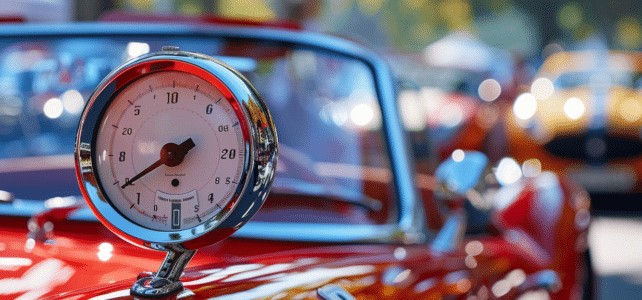
Even a small skin provides enough material for a hundred masks and
this one, wrapped around a lamppost by last night’s storm, looked
almost complete. But I had to roll. By seven-thirty the
daybreak goldmine I’d found at the Moss Side work exchange would
disperse and there’s no point having new masks if you can't sell
them.
Still . . . I tapped my ear phone, "Home."
"Goddard reside—"
"Claire, it’s Dad. Listen, there"' a full skin on Yew
Tree Road. You know where you go over the bridge?"
"Yeah." The swish of a coat being pulled on. "What
colour?"
"Metallic blue."
"Nice!" The thump of handlebars against wood. I
knew why the doorframe was scratched.
"Good girl." I hung up.
Riding the stall's momentum I pumped the pedals, ran the lights
and swung through the work exchange gates, halting at my usual
spot beside Joe the tea man. I flipped the stall's plastic
lid back to reveal my wares.
"Hey mate, how's the tea?" I waved a pack of spare
filters enticingly.
Smiling behind one of my masks, Joe lifted his mug in salute.
"Best in England!" Steam caught under the peak of his
baseball cap, pouring out either side like his brain was
evaporating.
We did our usual swap. Then, mug in hand, I settled into
the heated camping seat I'd charged up on the cycle over.
"How's business?"
"Slow." He nodded at the shivering lines of jobseekers, most of
whom wore masks. "Looks like everyone's already kitted up today
mate. You should take the morning off. Snuggle up with
that lovely wife of yours?" He waggled his eyebrows
suggestively.
"Nah, she'll be working on the veg garden by now. Besides, we
need the cash. The hydrogen bill was double what we thought this
month."
The news deflated him. He stared gloomily at the crowd
for a while. "Jesus. How did we ever get here?"
He didn't need a reply. Before I was a mask peddler I'd
worked in the pharmaceutical industry. For eighteen years
the job had seemed so secure: people would always get ill and I
liked that our medicines made them better. Then the
rainforests went up and everything changed.
The firestorms were predicted fifty years ago but despite a
decade of drought turning the trees of Africa and South America
tinder-dry, nobody seemed prepared when it finally happened.
It was the ice caps all over again, except this time it wasn't
just polar bears that suffered.
The fires consumed ninety percent of the world's rainforest,
destroying the birthplace of half our medicines just as we needed
them most. A billion tons of smoke blotted the sun, halving global
crop yields, then fell as acid rain that turned the
drought-stricken southern continents to desert. A billion
starving people headed north and, freed from their forest home, a
thousand diseases traveled with them.
As the tide of refugees flooded into the still fertile lands of
Europe and North America, western governments finally conceded
that consumer-driven pollution might have its downside.
Eager to sidestep the famines and water wars predicted next, many
countries shifted to less opulent but more sustainable service
economies. Suddenly, companies specialising in disposable
products had to make them last decades or face bankrupting
penalties; hence the self-repairing car skins—we had five in the
garden which we regularly harvested for mask plastic.
With half our medicines lost and people migrating in
unprecedented numbers, nature's germs gained the upper hand.
A simple mask could now save your life, and with my great deals on
multi-packs and replacement filters there was no reason for your
loved ones to go without.
Eventually, a brown skinned fella in a thin plastic shirt
ducked out of the queue. Shivering violently, his bony
fingers wrapped around a cup of tea, he frowned at my stall.
"Masks?" He looked around. "Why? The air here
is the cleanest I have seen."
Obviously a fugee. I indicated the coughing line he'd
just left. "Believe me my friend, this is not a healthy
environment. You heard of TB-9?"
Before he could answer a police van screeched noisily into the
yard. Half the crowd immediately fled, my customer included,
tucking his head down and hurrying away. I wasn't surprised.
Any country that could still grow food was rife with illegal
immigrants. Getting caught without the correct paperwork
meant immediate deportation and the French mainland was the last
place you wanted to find yourself.
The van stopped nearby and a cop in full riot gear jumped out,
stun-truncheon in hand. "Permit check!"
Joe flashed his trading license.
The cop raised his eyebrows at me. "Well?"
Sweating, I re-checked my pockets. "It's in my other coat
officer." I could see it, drying on the hall radiator after
last night's downpour.
"A wise guy huh?"
"No, I can get it. I live locally."
"He's legit officer," Joe said helpfully.
The cop pointed his truncheon, "You shut up." He
approached me, "Alright wise guy. Arms up."
He'd just cuffed my hands when a voice shouted: "WAIT!"
Claire cycled up to us, eyes wide with panic. My baggy
coat swamped her slim frame as she frantically waved my license at
the cop. "Here's his papers sir!"

The lingering stare he gave my sixteen year old daughter as he
took the documents made my jaw clench.
After a thorough check he reluctantly uncuffed me.
Scowling, he snatched a handful of multi-packs from the stall.
"Mind if I take these?" He turned before I could answer.
I hugged Claire tightly as he drove out of sight, knowing he'd
tell his mates. The precedent of free masks to cops would hit my
profits for years to come. Frowning, I checked my watch.
The breakfast café rush was just starting, with a bit of luck I
could make up the morning's loss.